Santiago, Chile · High-Rise Specialists

Moving
Floor 23
is different.

Cargo elevators with restricted schedules. Mandatory protection of common areas. Hoisting operations for oversized furniture. Coordination with building management. We handle every detail that makes high-rise moves different.

Modern high-rise residential building in Santiago, Chile

What changes when you move
to a high floor

A move to an apartment on the 23rd floor involves a series of logistics that simply don't exist when moving to a house. Understanding these factors helps plan a move that actually works.

Cargo Elevator Schedules

Buildings in Santiago typically restrict cargo elevator use to specific time windows — often mornings only. Coordinating around these windows is essential to avoid delays or fines.

Common Area Protection

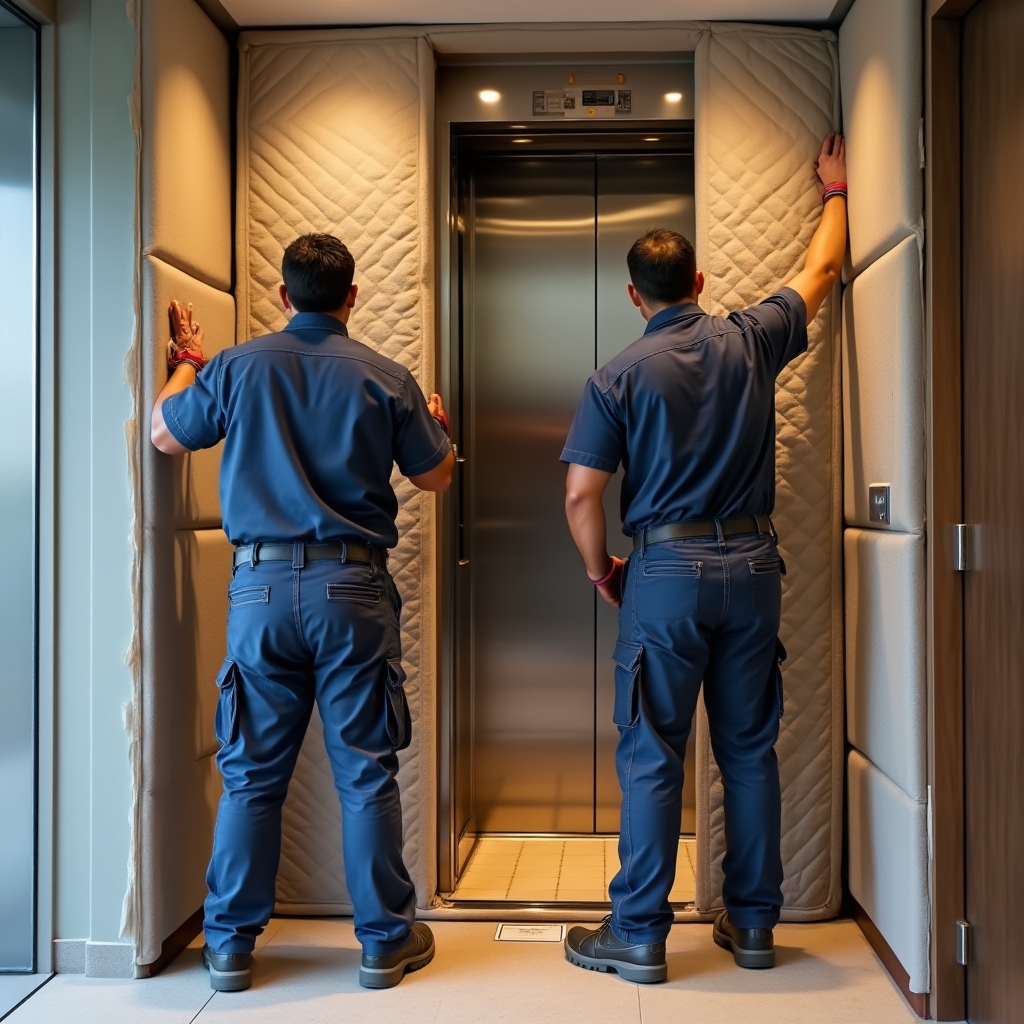
Building regulations require protective coverings on walls, floors, and elevator interiors during any move. Administrations often inspect before and after, and damage deposits may be at risk.

Hoisting Operations

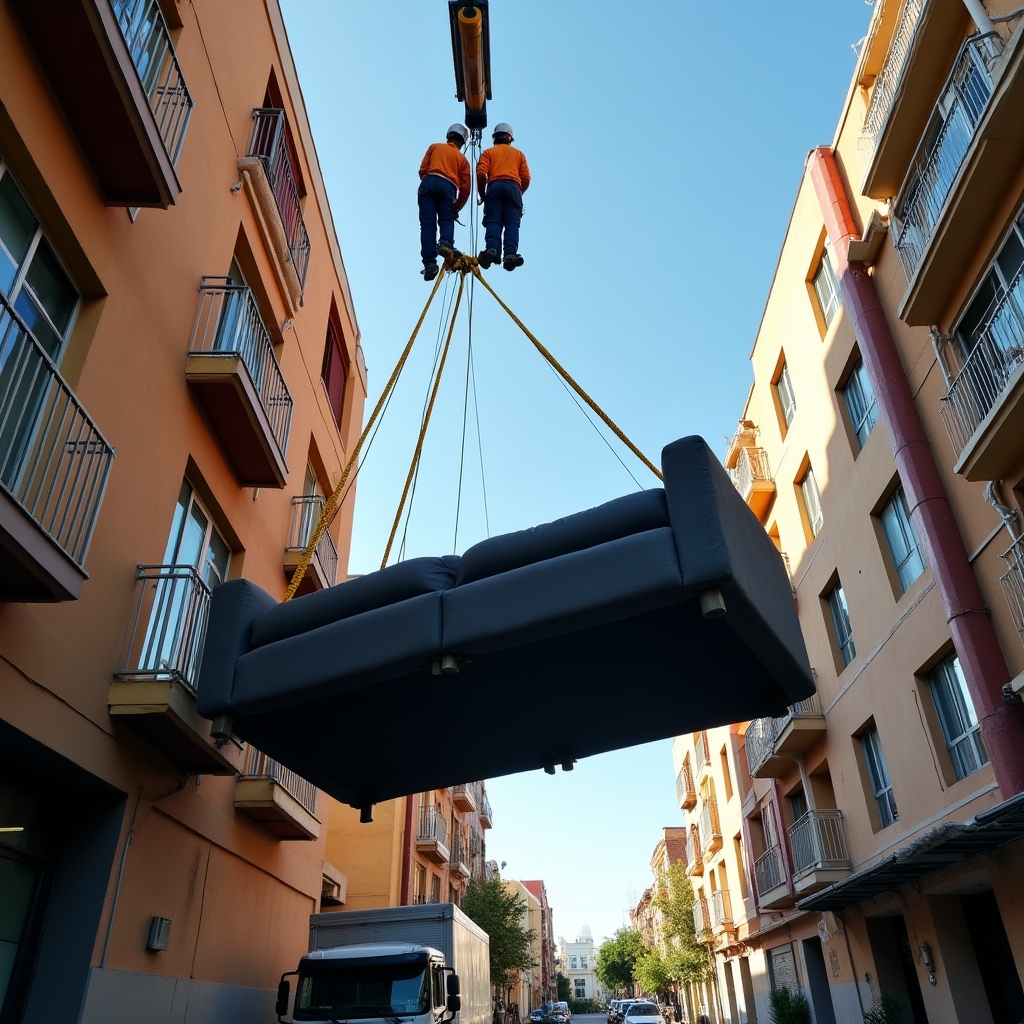
Large furniture — sofas, wardrobes, mattresses — often cannot fit in residential elevator cabins. External hoisting through windows or balconies requires specialized equipment and planning.

Concierge Coordination

Parking spaces for moving trucks must be reserved in advance through the building's administration. Arriving without a reservation can mean the entire operation stalls at the entrance.

A move that runs
on knowledge, not luck

Moving team applying protective coverings inside a building elevator before a high-rise move
Elevator Protection · Standard Protocol
Large sofa being hoisted via specialized rigging equipment to a high-floor balcony in Santiago
External Hoisting · Oversized Items
Moving truck correctly positioned in reserved loading zone outside a Santiago residential tower
Reserved Loading Zone · Pre-Arranged
Move coordinator reviewing building regulations checklist in the lobby of a modern Santiago apartment tower
On-Site Coordination · Building Regulations

How a high-rise move
comes together

Each step is designed to eliminate the surprises that derail moves in residential towers. The goal is a moving day with no improvisation.

1

Building Assessment

We review the specific regulations of your building: elevator dimensions, access hours, common area requirements, and any restrictions imposed by the administration. Every building in Santiago has its own rulebook.

2

Pre-Move Coordination

We contact the building's concierge or administration to reserve the cargo elevator time slot, the loading parking space, and confirm any required documentation — permits, deposits, or insurance certificates.

3

Equipment & Protection Setup

On moving day, the team arrives with all protective materials — floor runners, wall padding, elevator coverings — and installs them before any furniture moves. We document the condition of common areas before and after.

4

Execution & Handover

The move is carried out within the reserved time window. Items that cannot use the elevator are handled via external hoisting. Once complete, protective materials are removed and the building's concierge confirms the common areas are in order.

Knowing the building
before arriving

The most common problems in high-rise moves in Santiago are not about the furniture — they're about not knowing the building. An elevator that's only available until noon. A parking space that wasn't reserved. A protection requirement that wasn't met.

Teams that work regularly in the same residential buildings develop an understanding of each building's administration, their preferred communication style, their specific requirements, and the quirks of their infrastructure. That familiarity translates directly into fewer complications on moving day.

24h
Advance coordination with building management
100%
Moves include common area protection
Stgo
Coverage across Santiago's main residential communes
0
Improvisation on the day of the move

Planning a move in Santiago?
Let's talk about your building.

Share the details of your move — building name, floor, and preferred dates — and we'll outline what coordination is needed.